
Benefits of Buying a Modular Home Versus Traditional Construction
Understanding Modular Homes
Modular homes are a form of prefabricated housing, where sections of the home are constructed in a factory setting and then transported to the building site for assembly. Unlike mobile homes, modular homes are permanent structures that are built to local building codes. This construction method offers several advantages over traditional building techniques.
Speed of Construction
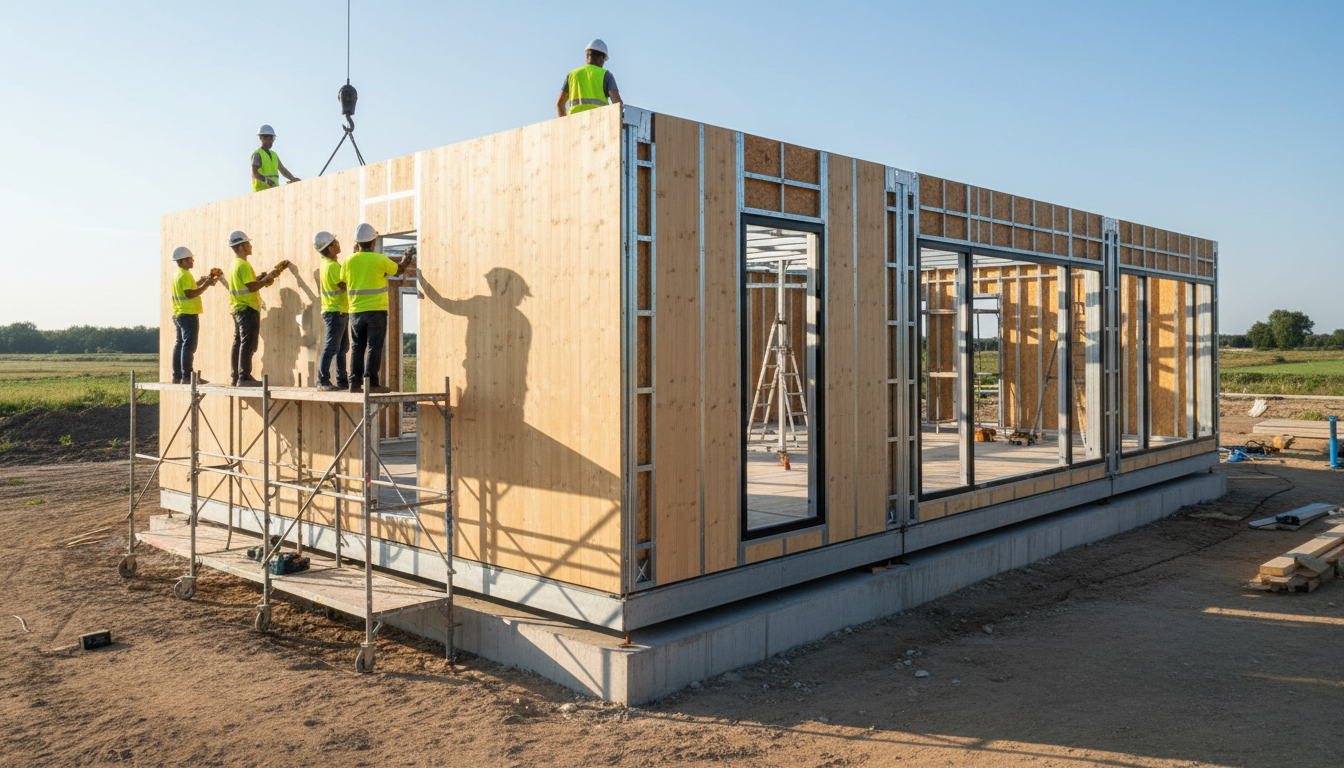
One of the most significant benefits of modular homes is the speed at which they can be built. Since the modules are constructed in a factory, work can proceed regardless of weather conditions, which often delay traditional construction projects. On average, a modular home can be completed in a fraction of the time compared to a conventionally built home.
This rapid construction process not only saves time but also reduces labor costs, allowing homeowners to move in sooner and enjoy their new space. For those on a tight timeline, modular homes offer a compelling option with minimal delays.
Cost-Effectiveness
Modular homes are typically more cost-effective than traditional homes. The controlled factory setting allows for efficient use of materials and reduces waste. Additionally, bulk purchasing of materials for multiple modules results in cost savings that are passed on to the consumer.
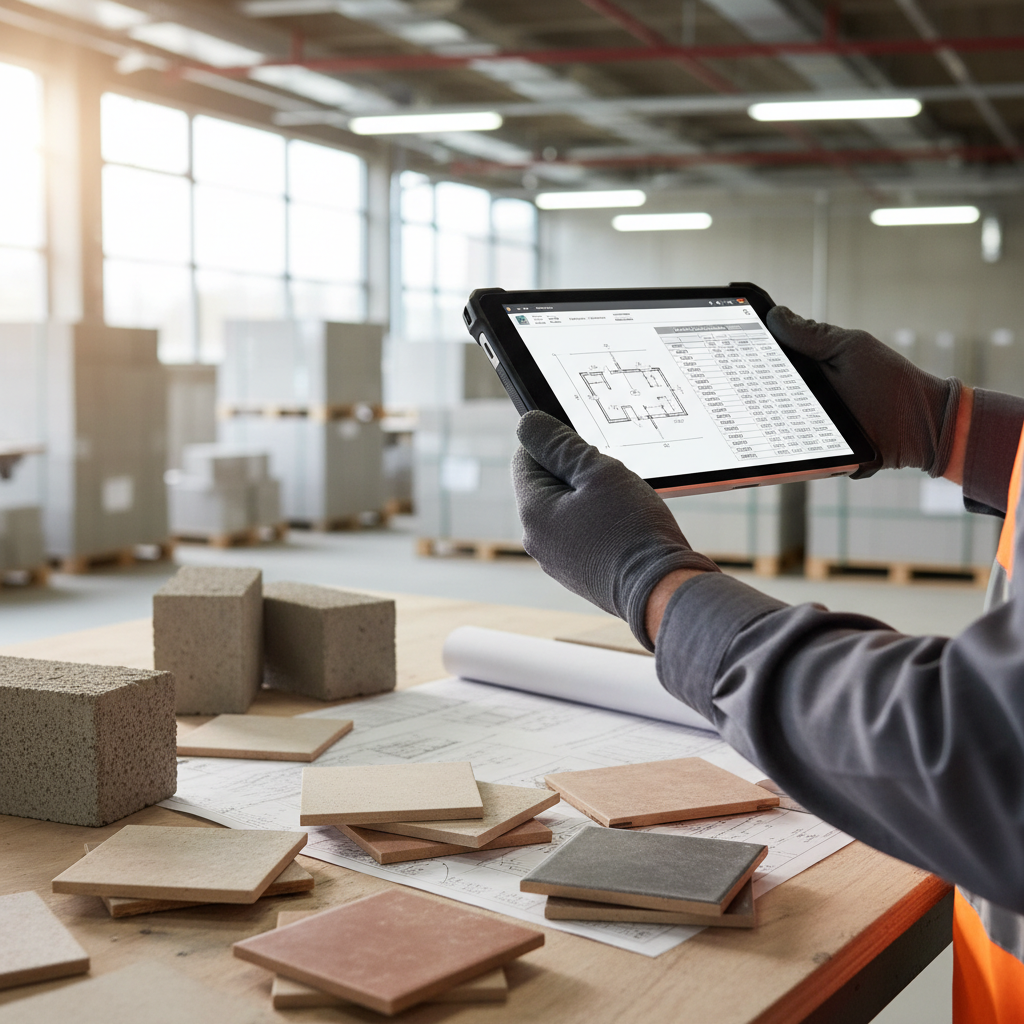
Furthermore, the reduced construction time means fewer expenses related to labor and site preparation. This makes modular homes an attractive choice for budget-conscious buyers who want to maximize their investment.
Quality and Customization
Contrary to common misconceptions, modular homes offer a high level of quality and customization. Each module is built under strict quality control measures, ensuring consistency and durability. Builders use the same high-quality materials found in traditional homes, adhering to the same local building codes.
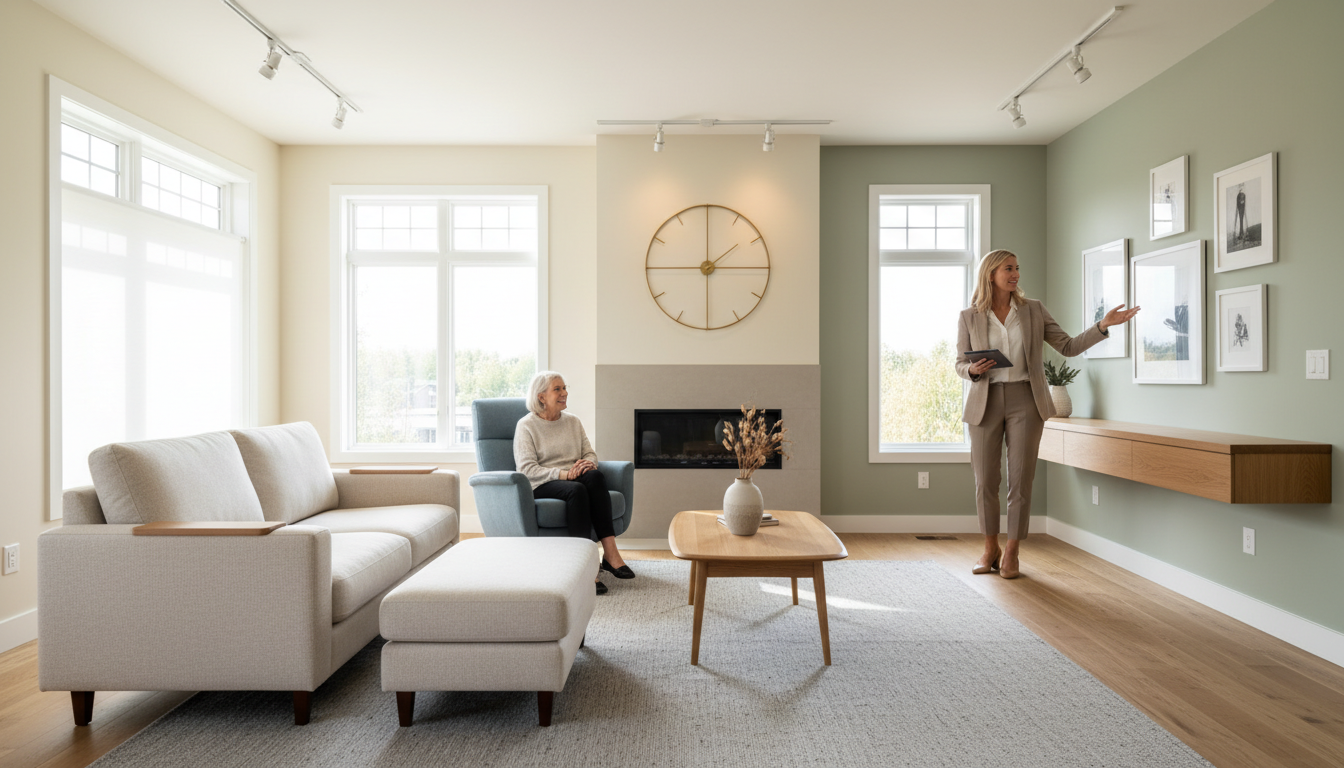
Homebuyers can choose from a wide variety of designs and layouts, allowing them to personalize their living space. From modern aesthetics to classic designs, modular homes can be tailored to meet individual tastes and needs.
Environmental Impact
Modular homes are often more environmentally friendly than traditional construction. The factory setting minimizes waste through precise cutting and efficient use of resources. Moreover, many modular home manufacturers focus on sustainability, using eco-friendly materials and energy-efficient designs.
This focus on sustainability not only benefits the environment but also provides long-term savings on energy costs for homeowners. Choosing a modular home can be a step towards a more sustainable lifestyle.
Financing and Resale Value
Financing a modular home is similar to financing a traditional home. Many lenders are familiar with the modular construction process, making it straightforward for buyers to obtain a mortgage. Additionally, modular homes tend to have strong resale values, particularly if maintained well and situated in desirable locations.
Their durability and compliance with building codes ensure that they hold up over time, making them a wise investment for future resale.
Conclusion
In summary, modular homes offer numerous advantages over traditional construction, including faster build times, cost savings, quality assurance, customization options, and environmental benefits. As more people become aware of these benefits, modular homes are becoming an increasingly popular choice for modern homebuyers.